Could the right microdose of Botox change the way your cheekbones catch the light or soften a heavy jawline without surgery? Yes, when a skilled injector uses Botox not just to relax wrinkles but to rebalance muscle pull, the face can look slimmer, lifted, and more harmonious, often with results that read as natural rather than “done.”
What “contouring” with Botox actually means
Most people meet Botox as a wrinkle smoother for frown lines or crow’s feet. Contouring is a different mindset. Instead of chasing lines, we look at how facial muscles shape your features when they move and even when they rest. Overactive muscles can flatten a brow, square a jaw, widen the lower face, pull the corners of the mouth down, or create neck banding that drags the jawline. By dialing down select muscles with precise injections, we allow the opposing muscles to take the lead. The result is a more lifted brow, a softer jaw angle, a tighter neck silhouette, and, in certain faces, a slimmer lower third.
This approach rests on anatomy and nuance. There is no single “Botox injection map” that fits everyone. A good plan blends muscle knowledge, proportion, and your goals. It is part art, part physiology, and all about restraint.
Where Botox can contour - and what to expect
Botox is a neuromodulator. It blocks nerve signals that tell muscles to contract. Different areas have distinct patterns and expected outcomes. Below are common contouring zones and how I frame them during a consultation.
Brow and upper face shaping
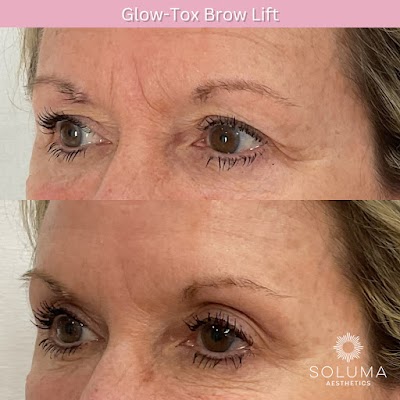
A low, flat brow can make the eyes look tired. Softening the depressor muscles around the brows, primarily the glabella complex and lateral orbicularis oculi, lets the forehead elevators lift slightly. When done well, you get a subtle brow lift, extra eyelid “show,” and a fresher eye frame. Using Botox for forehead lines here needs care, since too much in the frontalis can drop the brow. I often place fewer units in the mid forehead and avoid the outer third to preserve lateral lift. Results tend to appear within 3 to 7 days, fully visible by two weeks.
Jawline and masseter reduction
The masseter is a powerful chewing muscle. In people who clench or grind, it can enlarge and square the jaw. Targeted Botox for masseter hypertrophy reduces muscle bulk over 6 to 10 weeks, yielding a slimmer jawline and sometimes easing teeth grinding and tension headaches. This is one of the clearest examples of Botox contouring. Expect an average of 20 to 40 units per side in most practices, adjusted for muscle thickness and sex. Chewing weakness for very hard foods can occur, typically mild and temporary.
Neck and the Nefertiti lift
Vertical platysmal banding can pull the jawline downward, blurring the border between face and neck. Small injections along the bands and the mandibular border can relax that downward tug. The jawline looks crisper, and early jowls can appear lighter. This is not a surgical neck lift, and it does not remove fat, but for people with good skin quality and mild laxity, it can finesse the silhouette. I advise conservative dosing at the first session to avoid affecting swallowing or voice projection.
Chin, mouth corners, and perioral shape
An overactive mentalis can dimple the chin and push it upward, shortening the lower face. Calming that muscle with Botox for chin dimples smooths the skin and helps a retrusive chin look more defined. Meanwhile, the depressor anguli oris, when too active, drags the corners of the mouth into a resting frown. Softening it allows the lips to neutralize and subtly lift at rest. A lip flip, done with tiny injections into the orbicularis oris, can show a touch more upper lip without filler. In the right patient, these micro-adjustments change facial balance more than the numbers would suggest.
Nose and midface support
A drooping nasal tip that dives when you smile sometimes responds to a small dose into the depressor septi nasi. It is a specialized maneuver, and the improvement is modest, but for highly expressive faces it can keep the smile from collapsing the tip. I combine this only after assessing how it interacts with the upper lip and midface movement.
Around the eyes
Botox for crow’s feet and “bunny lines” softens crinkling that can widen the face visually. When the lateral canthus area is calmer, light travels across the cheekbone more smoothly. This is more texture than contour, but in photographs the change reads as cleaner and more refined.
How Botox does this: the mechanism in context
The science is straightforward. Botulinum toxin type A cleaves SNAP-25 in the presynaptic terminal, blocking acetylcholine release and, therefore, muscle contraction. What matters clinically is the balance. Every agonist has an antagonist. Relax a depressor, and the elevator gets a relative advantage. In the upper face, that yields a small brow lift. In the jaw, long-term relaxation shrinks muscle bulk. The effect starts in a few days, peaks near two weeks, and then gradually declines as sprouting and synaptic repair restore function. Contouring looks strongest when you respect this physiology rather than overpower it.
Botox vs fillers for shaping
Patients often ask whether Botox or fillers are better for a lifted look. They solve different problems. Botox controls motion and muscle bulk. Fillers add structure, restore volume, and can physically lift by supporting ligaments and bony landmarks. If the face looks heavy because of muscle pull, Botox does more with less. If volume loss or weak projection is the issue, filler wins. Most sophisticated results use both with a light hand: relax where the face is overworking, support where it is deflating. In round faces with full cheeks, masseter Botox can be a strong contouring move. In lean faces with hollow temples or midface deflation, filler takes priority, with minimal Botox to preserve vitality.
Who makes a good candidate
I look for specific signs. A short, tight forehead with a heavy brow can lift with selective placement. Strong, wide masseters that bulge when clenching respond well. Early neck bands in people with elastic skin usually soften. A pebbled chin, a downturned smile at rest, and gummy smiles often benefit from microdoses. Contraindications include active infection at injection sites, certain neuromuscular disorders, pregnancy and breastfeeding, and known allergy to components. If a patient relies on extreme facial expressiveness for work, we discuss trade-offs to preserve character.
Age matters less than anatomy. I treat men and women in their 20s for masseter hypertrophy and gummy smiles, and patients in their 40s to 60s for neck and brow dynamics. The safe age to start is when there is a clinical indication, not a birthday.
Mapping, dosage, and technique
There is no standard set of “Botox units” that fits everyone. Still, ranges help anchor expectations. Forehead and glabella may require 10 to 30 units in total when finesse is the goal. Crow’s feet commonly take 6 to 12 units per side. Masseters are more variable, roughly 20 to 40 units per side, sometimes higher for very strong muscles or men. Chin and mouth corners often need 2 to 8 units each zone. The neck bands may need botox services in FL 20 to 50 units spread across points, depending on strength and the width of the bands.
Dilution, depth, needle size, and angle matter. Superficial fans in the outer eye avoid diffusion to the smile elevator. Deep intramuscular placement in the masseter respects the parotid duct and avoids too anterior placement that can slim the cheeks in a hollowing way. I always have patients activate the target muscle during planning and use tactile landmarks, not just visual ones.
What a thoughtful appointment looks like
A proper Botox consultation takes more than a quick look and a syringe. I take a photo set at rest and with expression. I ask how makeup sits, whether hats leave forehead marks, if chewing gum causes fatigue, whether sunglasses leave grooves on the nose. These clues reveal muscle dominance. We discuss pain level and expectations; injections sting but are brief, and ice or topical numbing helps sensitive zones. The appointment time for contouring often runs 20 to 40 minutes, including planning and photographs, with the actual injections taking a few minutes.
Safety, risks, and how to keep results natural
Botox safety is well established in both cosmetic and medical uses, but technique and aftercare influence outcomes. The most common issues are mild bruising, swelling, and headache. Less common, but important, are asymmetric results, eyelid or brow droop from diffusion into the wrong muscle, chewing weakness after masseter treatment, smile asymmetry after perioral work, or difficulty with certain notes for singers after neck injections. These typically improve as the effect fades, but they can be frustrating. A conservative first session lowers risk. If we aim for 90 percent of the effect initially, we can add a small touch up after two to three weeks.
Post care is simple: no heavy workouts for the rest of the day, minimal rubbing or facials over the treated areas for 24 hours, and remain upright for four hours. Makeup can go on gently. Small bumps resolve within an hour or two. If bruising occurs, arnica or light concealer helps. Report any unusual weakness or visual changes promptly.
Timelines, longevity, and maintenance
Botox results begin in 3 to 5 days, reach peak at 10 to 14 days, then last around 3 to 4 months in most facial areas. Masseter reduction is different, because muscle atrophy accumulates with repeated sessions. Patients often notice slimming by the second month, with the best “after” photos around month three. Over one to two years of stable treatment, some can extend intervals to 5 to 8 months as the muscle stays smaller. The neck and perioral area tend to cycle faster, sometimes needing closer to 3 months. Plan a follow up visit at two weeks for assessment, then set a touch up schedule based on your response.
A maintenance plan can be as structured as a refill schedule or more flexible. My preference is to preserve movement and identity. I schedule Botox treatment frequency at 3 to 4 months for the first year to establish consistency, then re-evaluate. Adjusting units down over time is common when you learn how your face holds the effect.
Cost, value, and where prices make sense
Botox prices vary by region, injector experience, and whether you pay per unit or per area. Per-unit costs range widely, and whether you choose Botox vs Dysport, Xeomin, or Jeuveau can also change pricing. The total Botox cost for contouring depends on zones. A brow lift and frown smoothing might be in the lower range, while masseter reduction requires more units and lands higher. When comparing quotes, look for clarity on dosage, injector credentials, and follow-up policy. Good value is consistent results, not the lowest sticker number.
What “natural” looks like with Botox contouring
Natural is not about the number of units, it is about where they go. If you can still raise your brows, smile fully, and chew without thinking, yet you look like you slept better and your jawline reads cleaner, that is the target. Friends often comment that the face looks “lighter.” In before and after sets, I look for improvements that make sense across angles: front, oblique, and profile. A slimmer lower third should be echoed by a less tense neck and a more relaxed perioral area, not just a flat front view.
Botox for men and for women
Men often need more units due to denser muscles, especially in the glabella and masseter. The aesthetic aim can differ. Many male patients want a low but open brow, not a high arch, and a strong but not bulky jaw. Women may prefer a bit more lift laterally and a softer angle at the gonial region. These are preferences, not rules. I ask for reference photos of the patient at a younger age or images that show the energy they want to project, then translate that to anatomy.
Pain, downtime, and the real feel of the experience
Most describe the pain level as quick pinches with mild burning. Ice, a steady hand, and small needles make a big difference. Downtime is minimal. You might see small bumps for 10 to 20 minutes, and occasional bruises that last a few days. Plan around big events with a two-week buffer so you can clear any minor bruising and reach full effect. Athletes and singers should tell their injector, since neck or perioral dosing can affect their performance if placed incautiously.
Where Botox cannot help - and alternatives
Botox does not remove fat or tighten lax skin. If submental fullness under the chin or jowls are from fat or loose tissue, consider deoxycholic acid, energy-based tightening, or surgery. For etched static lines that remain after muscle relaxation, microneedling, lasers, or fillers help. If you want lift through structure rather than relaxation, strategic filler or biostimulators are better tools. Some patients love neuromodulator options like Dysport or Xeomin for spread or purity reasons; these alternatives behave similarly with subtle differences in onset and diffusion. Matching product to problem is the core judgment.
My approach to tricky cases
Edge cases separate an average result from a great one. A short forehead with heavy brows can look worse if the frontalis is over-treated, so I keep the midline light, preserve lateral fibers, and focus on the glabella. A patient with asymmetric smiles might need different units per side near the DAO to balance the corners. A singer with a prominent platysma band needs microdoses with careful depth to avoid voice changes. A lean runner seeking masseter slimming risks cheek hollowing if we treat too anterior or too high, so I trace the thickest belly with the patient clenching and stay posterior.
Myths and realities that matter
No, Botox does not freeze your face when used properly. It relaxes specific muscles. No, you do not age faster if you stop. Your baseline returns over months. Yes, repeated use can train muscles to relax, often requiring fewer units later. Yes, placement matters more than the label name. Reviewers and Botox reviews can be helpful, but anatomy varies wildly. What your friend needed is not a blueprint for you.
Practical preparation and aftercare that make a difference
A few small habits reduce side effects. Skip heavy alcohol the night before to lower bruising risk. Pause blood-thinning supplements such as fish oil, high-dose vitamin E, and ginkgo for a week if your doctor agrees. Arrive with a clean face. Share recent dental work dates, since masseter injections soon after major dental procedures can feel more tender. After treatment, avoid pressing into the areas, skip hot yoga for a day, and keep your head upright for several hours.
List: Quick pre-appointment checklist
- Confirm medications and supplements with your injector. Take clear, makeup-free photos from multiple angles. Plan two weeks before events for peak results. Arrange a no-sweat day after injections. Write down your Botox consultation questions so nothing is missed.
What changes by the one-week and one-month marks
At one week, most patients see softer lines and a sense that the face at rest looks calmer. The brow feels slightly lighter, and the corners of the mouth no longer fight to lift. By one month, masseter slimming begins to show in selfies, especially in the three-quarter view. The neck line looks smoother if we treated the platysma, and necklaces sit more cleanly above the collarbone. If something feels off, such as an uneven brow, this is the window for a small adjustment. I prefer micro-corrections over heavy-handed fixes.
Touch ups, follow ups, and building a maintenance plan
The best Botox results come from iteration. At the first follow up, I annotate a face map with what worked and what could shift. If an area wore off early, we either add units next time or adjust the interval. If an area felt too still, we reduce units or move points. A Botox touch up after two weeks can sharpen details, such as a slightly stubborn DAO or a lingering dimple in the chin. Over a year, the goal is fewer surprises and more predictability.
List: Smart maintenance habits
- Schedule Botox appointments at consistent intervals before full return of movement. Track units and injection points in a personal log for pattern recognition. Rotate photos under similar lighting to judge true changes. Align Botox touch ups with skin treatments for compounding results. Reassess goals seasonally, especially before events or travel.
The numbers that help set expectations
Most people feel Botox effect duration of 3 to 4 months across the upper face. The mouth area can be closer to 2 to 3 months because of constant motion. The neck sits in the same range as the upper face, though strong bands may need a tighter cycle initially. Masseter outcomes operate on a different curve. The contour change is slow to start, then accumulates. Patients often need two to three sessions, spaced 3 to 4 months apart, to reach their ideal jawline. After that, touch ups may stretch out, and the muscle’s “memory” keeps bulk down longer.
A note on complications and when to seek help
Call your provider if you develop significant eyelid droop, difficulty swallowing, pronounced smile asymmetry, or persistent weakness beyond the expected zone. These are uncommon, but early evaluation helps. True allergic reactions are rare. If you have a history of neuromuscular disorders or take certain antibiotics, disclose it fully before treatment, since it can amplify effects.
Choosing the right injector
Credentials matter. Seek a provider who can explain the Botox mechanism in plain language, show before and after examples that match your face type, and walk you through risks without minimizing them. If the plan is only about erasing lines, push for a discussion about shape and proportion. The best injectors think like sculptors. They consider not just Botox units and points, but how those choices change light and shadow, rest and motion.
The bottom line
Botox contouring is not about freezing expression or chasing every line. It is about recalibrating facial forces so that your natural structure reads as lift, not pull. When the brow drifts up by a few millimeters, when the jawline sheds heaviness from overworked masseters, when the neck bands stop dragging the face south, the entire portrait improves. With thoughtful planning, conservative dosing, and honest follow ups, Botox becomes less a wrinkle eraser and more a tool for balance, proportion, and a youthful, unstrained presence.